How AI Quietly Reshapes Streaming Platforms by 2026
Introduction
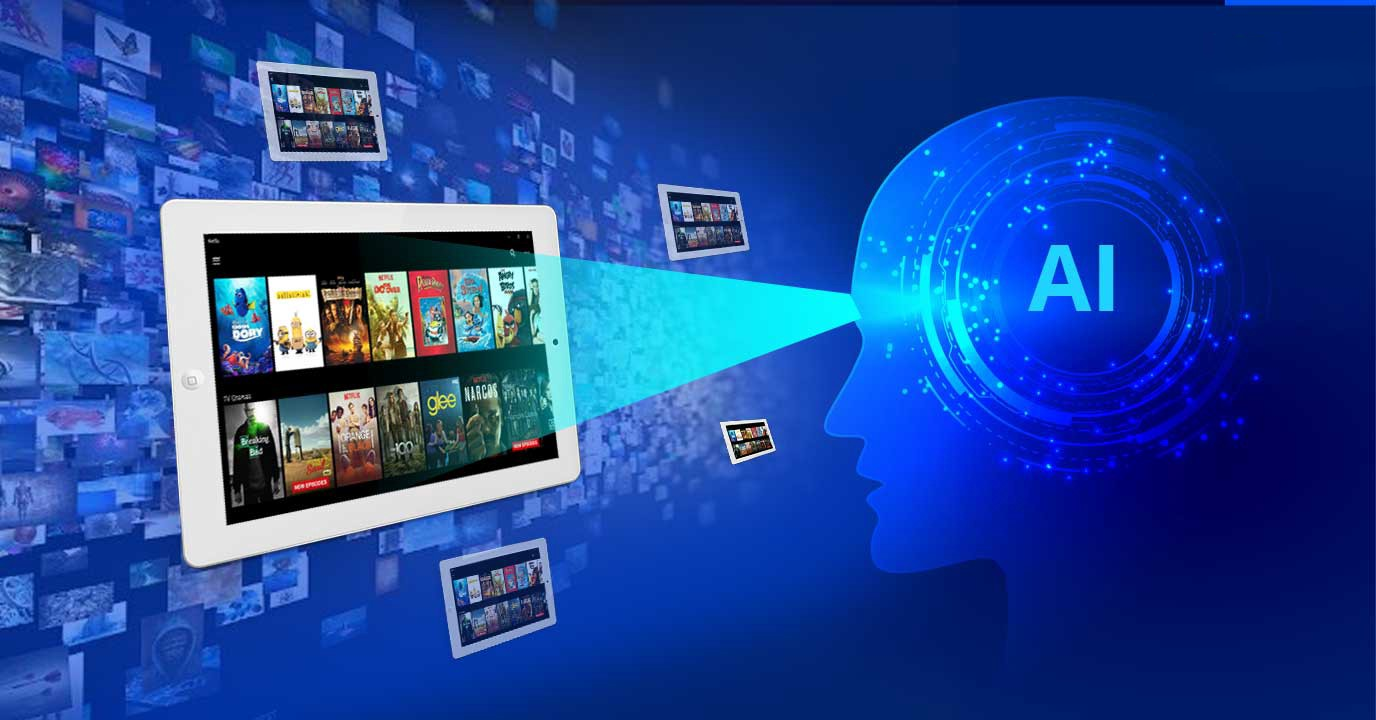
What keeps people clicking through shows used to be smart suggestions. By 2026, though, artificial intelligence does much more than that on streaming apps such as Netflix, Amazon Prime Video, and Disney+ Hotstar.
Behind the scenes, it tweaks how videos are shrunk for faster loading. Release dates get nudged based on hidden patterns spotted by machines. Subtitles and dubbing adapt automatically to fit local tastes. Even early ideas for series might form using data clues found in viewer habits. None of this comes from sudden leaps forward. Instead, small automated steps pile up inside daily operations. Savings build slowly. So does loyalty.
Smart Video Compression and Adaptive Streaming
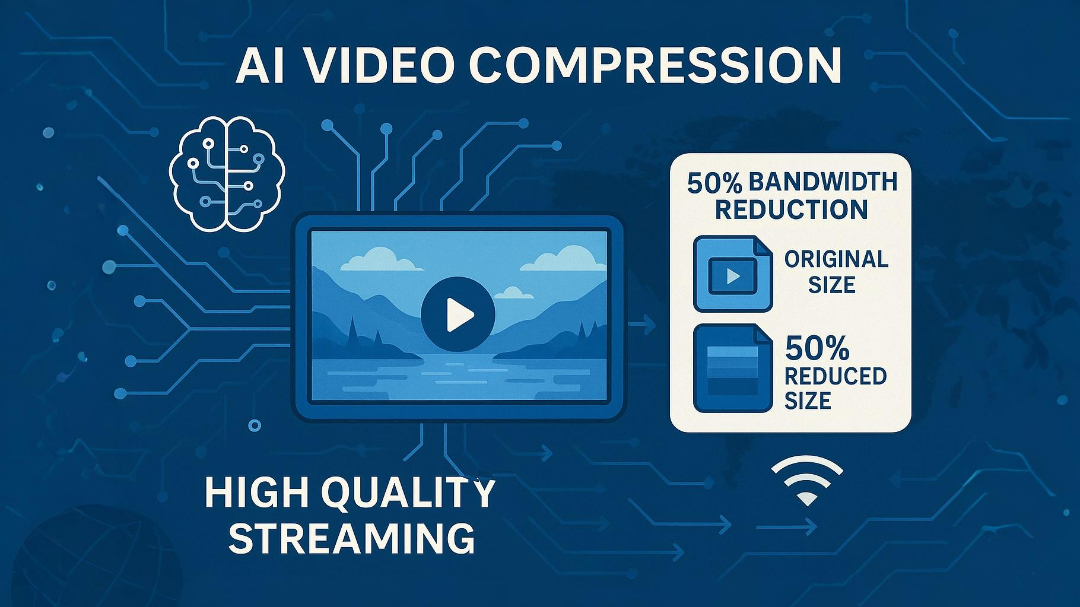
Something often missed? How videos tweak their own structure live. As your connection shifts, what changes isn’t only sharpness or speed — smart systems now reshape how data gets packed.
Take Netflix’s tool that leans on brain-inspired programs shaped by eye-response research. It guesses when squishing a scene won’t register — like leafy woods blending into shadows. But faces talking? Those stay crisp, especially around eyes and lips.
What stands out depends on who’s watching, what kind of story unfolds. Patterns form across age groups, show types, and moment-by-moment needs. One way it cuts average file size nearly a quarter versus fixed encoding comes from Netflix’s public tech blog posts in 2024.
Because files shrink, delivery network expenses drop while playback stutters less — this holds true even on packed phone connections across developing regions where Hotstar runs large operations.
AI in Subtitles, Dubbing and Language Adaptation
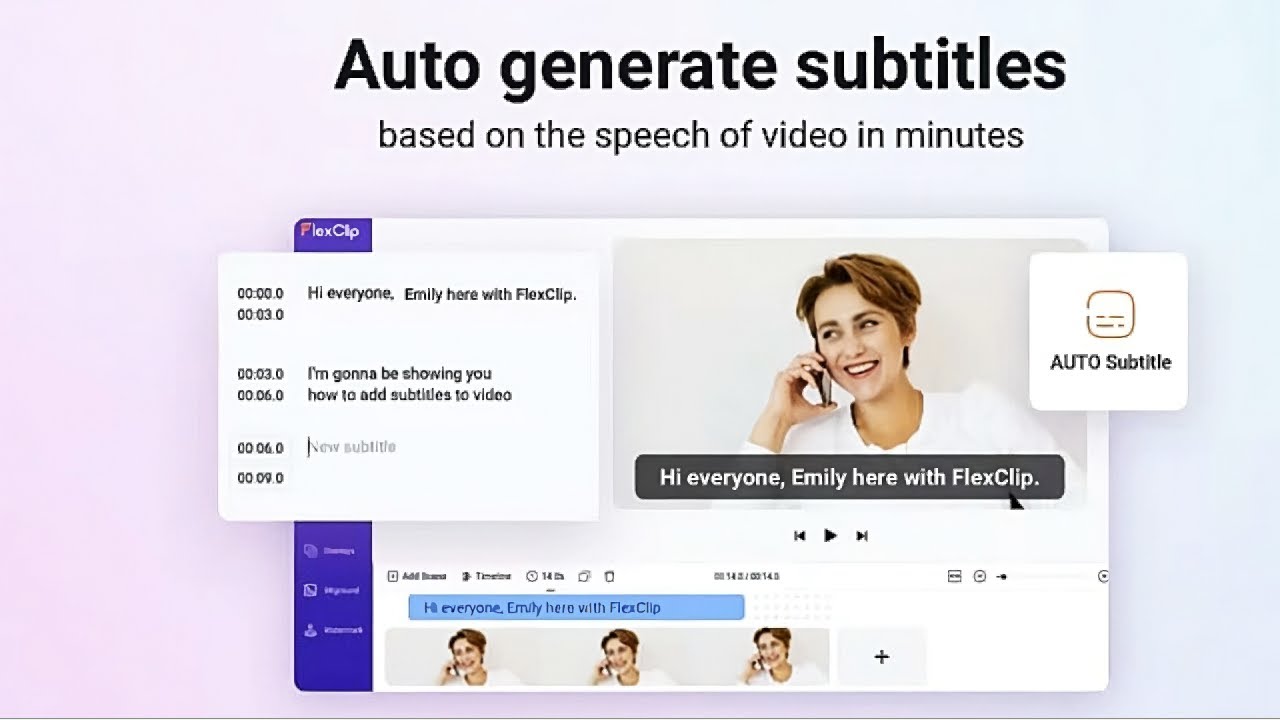
Starting mid-edit, Amazon Prime Video slips AI into how shows move across languages. Instead of waiting till the end, voice scans and smart translation tools already work on sound files. Timing, mood, texture — these details get checked early, feeding rough drafts to translators later. Human experts shape those versions further.
Over in India, with Hotstar handling more than ten key tongues, launching faster matters most. Live cricket or nightly dramas appear quicker now — all because prep begins earlier.
Later on, you start noticing how timing shapes the lines people speak. Sometimes a pause grows longer just because the system reads it easier that way. A rhythm changes, not by design but drift — words stretch around silent rules only machines follow. The page adapts without saying so.
AI and Content Decision-Making
Behind closed doors, Netflix keeps quiet about how it picks shows. Yet clues hide in data team job ads mentioning systems that study creativity. Not magic formulas guessing hits, these tools spot story shapes from past winners.
They examine fresh pitches by scanning words, emotions, character roles, and talk frequency. A show idea matching strong viewer patterns — like a tense crime tale stretching across seven parts, each jump in drama timed near minute twenty-eight — tends to rank higher.
Matching old success blueprints matters more than standing out. Even when people have the last word, they’re drawn to ideas that fit a familiar pattern. That won’t make something succeed or remove danger completely — yet it does smooth out how viewers react, especially for average new shows with little chance of going worldwide.
Algorithm-Driven Release Strategies
It slips under the radar sometimes, the way artificial intelligence quietly changes when shows come out. Entire seasons do not hit platforms all at once anymore. Instead, timing splits based on patterns spotted by algorithms — one might see shifts tied to where people watch, what gadgets they prefer, or even whether it is raining nearby.
Take one example: a streaming service held back episodes of a South Korean series across parts of Southeast Asia because data showed viewers there clicked play but left early, usually before episode three, especially during hotter weeks.
Because of that, companies switched how they shared new seasons — spaced out across weeks rather than all at once. People stuck around longer after the change. In some areas, staying power grew nearly one fifth.
Personalized Discovery and Mood-Based Content
Out of nowhere, how we find stuff to watch has shifted quietly. Instead of endless rows, Prime Video now shows themed collections shaped by machine learning — think “lazy weekends,” “edge-of-your-seat picks with zero plot reveals,” or “movies you barely notice.”
Nobody handpicks these. Hidden math pulls them together based on what huge crowds do over short stretches. If a person browses recipes while a detective story plays nearby, that counts as low-key attention — not full-on watching — and gets filed away accordingly.
These mood-based groupings work quietly in the background, nudging interest during quick glances. Less pressure, more presence — screen minutes add up simply because they’re there.
Hyper-Personalized Thumbnails and Previews
One step past thumbnail tweaks, personal touches dig deeper into how shows greet you. At Hotstar, smart systems pick visuals along with how long a sneak peek runs and what kind of background sound fits best — guessed from your habits.
Teens tend to get quick 10-second snippets charged with lively beats. Older audiences often see longer previews highlighting story instead of speed.
Hidden from sight, constant tests shuffle these elements like cards in a deck. Even something as simple as the “Continue Watching” row contains hundreds of micro-variations built dynamically.
Infrastructure AI and Traffic Prediction
Hidden beneath the surface, infrastructure-level AI operates without notice. Because of cultural events like Diwali in India, Carnival in Brazil, or Ramadan programming, platforms rely on reinforcement learning to predict traffic spikes.
They pre-load cloud capacity, shift edge caches, and prepare for surges before they happen. Once demand fades, resources scale down quietly.
Crashes drop. Costs reduce. Efficiency rises — with chaos reduced significantly thanks to predictive systems.
Accessibility and Smart Interaction
AI also improves accessibility in subtle ways. Voice controls on Prime Video learn speech patterns over time. Netflix experiments with motion-based controls using device sensors.
Frequent users may even see auto-generated summaries or quick recaps triggered by behavior. These features reduce effort gradually without being intrusive.
AI’s Influence on Talent and Payments
Now imagine how deals are changing behind the scenes. Platforms analyze which actors retain viewers longer. Payments increasingly depend not just on views, but retention impact.
A film actor’s value now links to engagement metrics — often invisible but powerful. Influence shifts quietly from fame to measurable attention.
Production Optimization Using AI
Even physical shoots benefit. AI helps schedule filming based on weather, permits, and past delays.
Studios like Amazon use systems that rearrange logistics in minutes — optimizing crew, equipment, and locations. Human creativity remains, but efficiency improves dramatically.
Data Imbalance and Creator Challenges
Still, platforms hold most of the data. Creators often see views but not drop-off points.
Feedback lacks transparency, making it harder for independent creators to adapt. Full openness risks exposing proprietary systems, so imbalance persists.
Localization and Cultural Adaptation
Language AI also reshapes viewing habits. Tamil audiences tuning out Hindi dubs led to improved localization — better phrasing, tone, and voice synthesis.
Even small improvements raised completion rates, showing how subtle cultural alignment matters.
Environmental Impact of AI
AI-driven compression reduces data load and energy usage. Streaming efficiency has improved, lowering emissions per data unit.
Though rarely highlighted, environmental benefits emerge as a side effect of optimization.
User Control vs Algorithm Influence
Even with personalization, user control remains limited. Interfaces guide behavior through autoplay, recommendations, and layout.
Studies show viewing drops significantly without recommendation systems — proving how much influence algorithms hold.
Regulation and Future Transparency
New regulations like the EU Digital Services Act may force platforms to explain recommendations. India is also exploring oversight.
If implemented, transparency could reshape how content is distributed and discovered.
Conclusion: The Invisible Transformation
A quiet shift defines streaming in 2026. Not a dramatic overhaul, but a gradual embedding of AI into every layer.
From content creation to delivery, from thumbnails to infrastructure, everything adjusts subtly.
What changes is not what we see — but how it is shaped behind the scenes.
This transformation lasts precisely because it is invisible.