Introduction: Uncertain Future of OTT in India
Three years ahead feels guesswork when it comes to where streaming goes next. Still, talk swirls around JioCinema possibly taking over Disney+ Hotstar in India by 2026 – though nothing’s certain. That idea leans heavily on loose rules, company decisions made day to day, plus viewing patterns that change without warning. As of early 2024, no deal exists between Reliance’s platform and Disney’s local branch. If one surfaces later, effects won’t stop at show collections joining or costs shifting. Behind the scenes, something subtler happens: how people watch cricket evolves, regional films find new paths, internet access gets reshaped.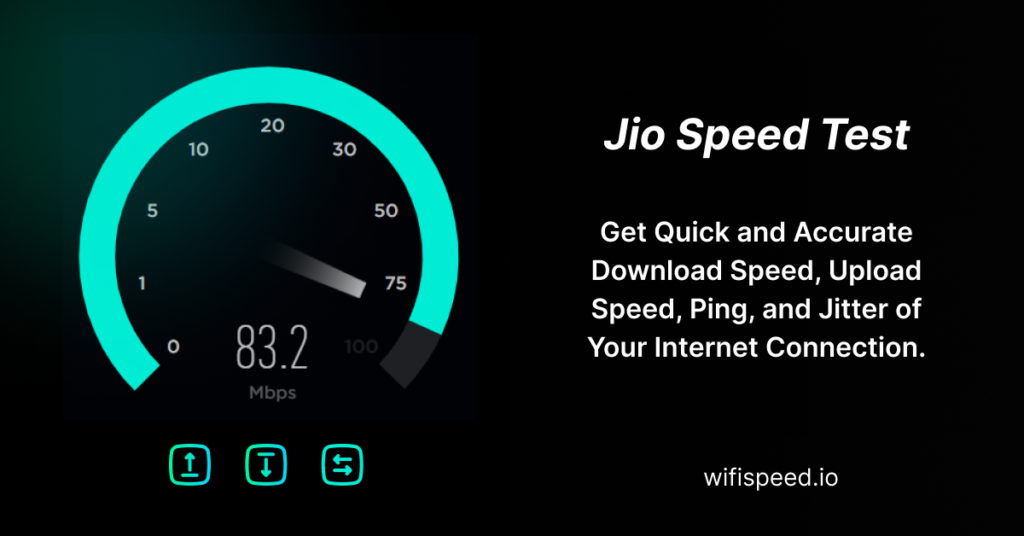
Infrastructure Advantage: Why Network Control Matters More Than Content
Speed often gets ignored when people talk about streaming services. Yet behind the scenes, who owns the pipes matters more than how many shows are available. Instead of chasing content libraries, one player builds advantage another way. Running on a massive homegrown network changes everything. Ownership of that system means choices others cannot make. For example, buffering stays low because traffic flows through private lanes. Latency drops since routes are tightly managed. Users see benefits without noticing them – like watching videos that do not eat into monthly limits. Few platforms have such deep access. Being tied to India’s largest mobile carrier opens doors closed elsewhere. Control at this level shapes experience far beyond headlines.
Streaming smoothness escaped Disney+ Hotstar from the start. Though it led the 2023 IPL audience race, crashes at critical match moments exposed reliance on outside internet providers. Merging services might do more than stack extra series; performance could shift quietly behind the scenes, adjusting playback using internal network control. This isn’t about blocking content – rather fine-tuning delivery in ways most people overlook.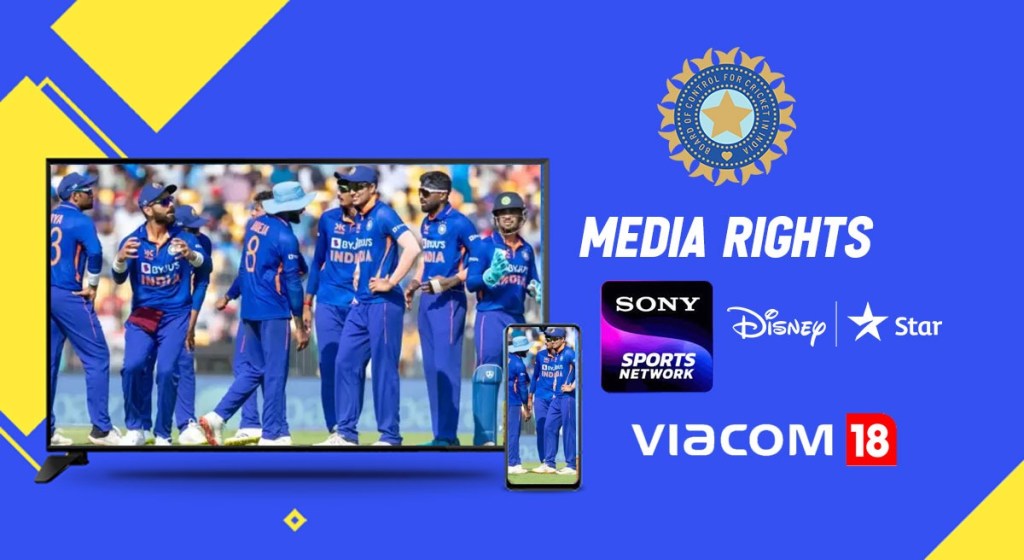
Sports Rights Reset: Why 2026 Is a Critical Year
Timing plays a role here. Not out of nowhere does 2026 appear as a likely point. That year marks the restart of key sports media deals – IPL, Asia Cup, maybe even BCCI-linked bilateral matches too. These contracts are up for grabs again. What once cost $300 million back in 2018 now nears $3 billion by 2023. Streaming on its own burns cash fast. Yet Jio Platforms stands stronger when it comes to taking that hit. What drives them isn’t immediate cash per person, yet a web that keeps users close through connected offerings. Mobile deals come tied to no-cost access, phone payments depend on how long you watch, topping up early grants unseen clips ahead of others. Earnings now grow not just from flat fees each month, rather they build by holding people inside the network.
Financial Pressure: The Economics Behind Hotstar’s Struggle
Now picture this – Disney pulled out of several Asian countries after profits dried up. In India though, things held on longer than most places outside America, mainly because Hotstar jumped into live sports way back when. Keeping it alive meant pouring money in, again and again. As Disney started selling off pieces of its empire worldwide, eyes turned toward what was happening in India. Even after 2022, fewer new subscribers are signing up, though people still watch closely when big games happen. Because ad prices online in India haven’t risen much – especially next to those in Western countries – companies earn little from ads. During major matches, one full hour of live viewing brings in under five cents per viewer on average. With returns so small, decisions get harder.
Content Control Clash: Global Rules vs Local Reality
Merging could allow Disney to benefit while skipping long-term expenses. On the flip side, Jio picks up visibility fast, taps into city audiences, and inherits systems built for launching shows across many languages. Yet problems might follow during blending. Rules on what content is acceptable aren’t aligned at all. Hotstar followed tougher worldwide norms, particularly when showing LGBTQ+ identities or political topics. What you see on JioCinema often reflects local expectations, quietly shaping what’s allowed. Behind the scenes, balancing editorial choices across merged platforms means constant unseen talks. Glitches emerge only when something vanishes – say, an episode absent in one area. Or when global shows arrive late without warning. These hiccups hint at deeper coordination, hidden till they’re not.
UI and Behavior: How App Design Shapes Viewing Choices
Small shifts in how an app looks can shift what people do. Right now, JioCinema pushes quick access – big icons for live shows, less swiping, a voice tool tuned to Hindi and local speech. Hotstar took another path: fine-tuned options like categories, star names, rows that remember where you paused. Mixing these styles may leave everyone uneasy. How we move through apps shapes what we find. Choices aren’t random – they trail along grooves the design carves. A pause in thumbnail display can shift viewer choices. When suggestion systems get tweaked, different videos rise. Past shifts – such as talks around SonyLiv joining Crunchyroll – led to fewer clicks on rare genres afterward. Data confirms it.
Pricing War: Free Access vs Tiered Subscription
One way costs differ stands out fast. Hotstar leaned into levels of entry – ad breaks for regular viewing, cleaner streams without interruptions plus quicker drops on new shows, then separate tickets just for live games. JioCinema hands out base options at zero charge, yet tucks promotions right within clips. Not pop-ups, but fixed blocks that play like old-school broadcast spots. Skipping them? Impossible. They load even on weak signals. Getting paid leans on wide access, not limited access. Where phones are common in villages, people accept unwanted ads instead of spending ₹99 every month. Big city users push back when ads feel unavoidable. Balancing both sides forces a choice: upset one crowd or run different app styles – one expensive fix.
Offline Viewing and Device Fragmentation
What often gets missed is how apps work without internet. Even if you are nowhere near a signal, some shows on Hotstar could still be watched later after download. Not everyone can do that on JioCinema though – only those signed up for certain Jio phone packages get access. After the two services joined, fewer people might keep this option available, depending on what changes happen behind the scenes. Out in the open, big file caching leans on ISP links plus how phones handle space locally. Not every Indian device plays nice – so many models float around, each handling video bits a little different. Even today’s updates have to look backward, thinking about handsets first sold five years ago. Over time, mismatches pile up without warning, nudging experience downhill well ahead of any user note.
Content Production Speed: Fast vs Controlled Creation
Sometimes stories take ages to make. Teams backed by Disney moved slow, needing a year or more just to start filming. Approval had to bounce across continents – from LA to Singapore and back again. Over at JioContent things snap forward quicker. Decisions come in days, not years. Cameras roll fast, episodes wrap up before seasons change. Launch dates chase big celebrations instead of waiting for perfect moments. More shows pop out faster because of it. Yet there is less time to step back, rethink, adjust. Changes now slip into the middle of a season’s flow rather than after. When you expect smooth storylines, this one seems hurried. Yet where timing matters more than tidy plots – like in fast-paced drama tied to current events or tales pulled straight from viral online arguments – moving quickly beats careful polishing.
Language and Localization: Precision vs Context
A split shows up through how each platform handles local speech. Though Hotstar poured effort into Tamil, Telugu, yet Malayalam versions of major shows, seeing southern regions as separate spaces. Meanwhile JioCinema views many tongues as a coordination puzzle – lining up sound volume, subtitles matching timecode, plus data labels all at once in more than ten forms of talk. While systems grow steadier under pressure, subtle meanings often slip away unnoticed. Still, precision rarely carries context. What once carried regional flavor slowly flattens into neutral speech. Instead of vanishing completely, differences are sanded down. Local jokes, titles tied to status, colorful turns of phrase – all shift toward common ground. Time stretches on, quiet changes pile up. What remains feels familiar everywhere, yet somehow less distinct. Protest rarely comes, since nothing dramatic appears lost.
Advertising Evolution: Behavior-Based Targeting
Out of nowhere, ads start changing pace. Instead of relying on age or location, what people do now shapes the messages they see. Global tech networks plug into Hotstar’s audience, linking multinational companies with viewers across India. Data trails come from shopping at JioMart, tapping around in the MyJio app, even motions caught by JioHome cameras. Behind the scenes, choices get nudged not by who you are but how you act. What shows up is shaped less by surveys and more by real-time behavior. It watches who buys expensive rice, then connects that to what shows get watched. Not babies anymore – now it guesses from kitchen habits. What plays on screen fits too well with grocery receipts. Feels strange not because there are more ads, but because the pattern knows too much. Less guesswork, more quiet observation. The match between real life and what’s shown is almost too exact.
Device Ecosystem Control and Accessibility
Out there, who you team up with shapes how far you go. Streaming stayed on smart televisions, those little sticks from Amazon, Apple’s box, even game machines people play on. The newer platform pushes its own gear – boxes for TVs and a budget phone built alongside Google. Should the combined company lean hard into their own gadgets, reaching different screens could get harder. A few folks shift without trouble; plenty just walk away for good. When platforms pull back how people can log in, some users leave. After ZEE5 cut its presence on Roku following company changes, around one out of five active city-based viewers stopped using it. Getting to shows easily matters just as much as what’s playing. What keeps people staying isn’t only the programs they watch – it’s how simple it is to reach them.
Customer Support and Payment Systems
One way works here, another there. While Hotstar sent customer service overseas, misunderstandings popped up when users spoke regional languages. On the flip side, Jio set up nearby offices with workers who know local speech patterns and customs. Speed got better, yet fixing problems still hinges on separated internal systems. When payments get stuck, problems with Paytm or PhonePe tend to drag on more than ones using UPI through JioMoney. Linking these platforms smoothly usually depends on shared support tracking – which hardly ever works right.
Regulation and Policy Pressure
Fresh pressure comes from new rules. As talks continue, India considers forcing every streaming service to store user information on home-based servers. Alongside that, artificial intelligence might soon check what shows get which age labels. Firms already rooted in the country stand to benefit most here. Reliance’s Jio meets these demands without hassle. Back when proposals emerged, Disney pushed back – its leaders said machines cannot handle creative judgment fairly. A slip here might bruise standing over there. Following rules runs deeper than systems – it ties into belief.
Creator Ecosystem Shift
Some creators are moving on. Those who came to Hotstar for freedom might exit should Jio’s broad-appeal strategy tighten its grip. Word travels through studios: less interest lately in bold ideas, more demand for familiar crowd-pleasing blueprints. Stories with gray characters or open finishes? Less likely to clear review panels now. Risk fades into background noise while caution grows stronger by default. Nothing outlawed – just quietly set aside.
Measurement and Data Confusion
Measurement shifts constantly. Hotstar measured audiences through comScore alongside TAM, matching international norms. JioCinema leans on homegrown tools watching time per session, where people quit, also how many stream at once – solid for tech tweaks, shaky when ad buyers weigh returns worldwide. Blending these reports muddies the picture. Media teams want steady numbers. When yardsticks wobble, certain companies hold back budgets until things settle.
Final Reality: What Winning Actually Means
Winning isn’t certain for JioCinema. What winning means changes things. By user count, maybe it wins. By shaping culture, that’s less clear. Its reach dives deep in places, barely touches others. Being everywhere can hide how weak something is underneath. When systems grow only to get big, they crack once people want different things.
Still, cricket stands firm. Power shifts when someone grabs the broadcasting rights – just for a while. Yet fans care less about where it streams. They show up for one game across platforms, then disappear without notice. What sticks isn’t speed – it’s showing up the same way every time. People stay when they feel their decisions honored. Annoyance pushes out more than flaws ever could. Even brilliant machinery fades beside consistency.
Conclusion: The Future Is Subtle, Not Sudden
Maybe by 2026, what matters won’t show up in spec sheets. Instead, it hides in quiet hiccups – like when subtitles drift off beat mid-downpour. Or whether rewinding still runs smooth after a lag spike hits. Even how fast angry posts vanish online could speak louder than promises. Truth is, systems guide us not with big shows. They do it one tiny moment at a time.
One doesn’t beat the other. Losses show up where you least expect them, gains hide in plain sight. Over time, strength comes not from being better – but from sticking around long enough. It slips into habits without notice, billed monthly, viewed on screens handed out freely. Things slip away not because they lose but because nobody notices. Other choices are around, though they feel far off – more clicks, different passwords, strange ways of looking.
Now the real issue becomes less about who claims victory on streaming, more about what watching TV turns into. Smoothed out, fast, locked inside one system – versus split up, different flavors, sometimes glitchy yet free. Should that deal go through, it pulls things closer to the first version. Not by force. Just slowly building walls where there were none.
Related Posts
OTT Platform Comparison 2025–2026: Netflix, Prime, Hotstar, Zee5, SonyLIV — Full Breakdown
Introduction The OTT ecosystem in…
Netflix India 2026: New Shows, Movies and Dates
Netflix in India Overview Once…
25 Best Hindi Web Series of All Time to Watch in 2026 — Ranked & Reviewed
25 Best Hindi Web Series…